

Guides from the factory floor
Practical guides written by the engineers who design, build and test our switchboards, enclosures and LED lighting in 10th of Ramadan City, Egypt. Standards explained plainly, checklists you can use on your next project.
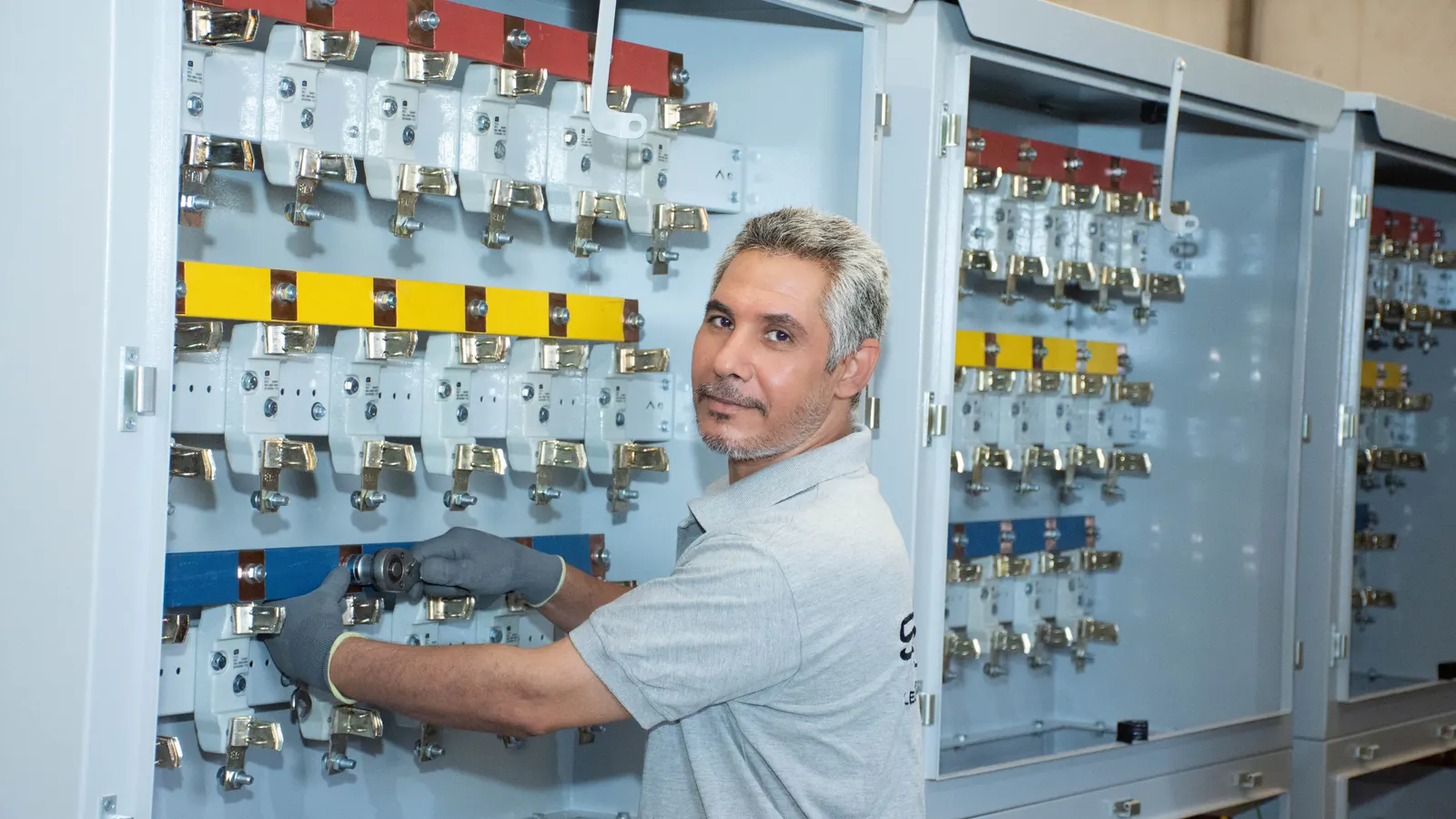 Latest guide · Switchboards
Fishbone Distribution Boards: How the Busbar Works and When to Use One
A fishbone board replaces dozens of loose wires with one busbar system that feeds every MCB. Here is how it works, where it beats a conventional board, and what to put in the specification.
Read the guide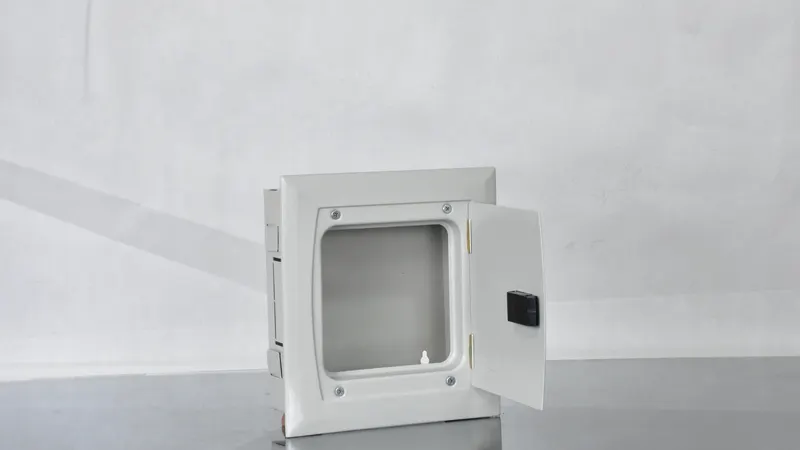 Switchboards
How Many Ways? Sizing a Distribution Board: 12, 18, 24 or 36 Lines
The most common question about a distribution board is "how many lines?". Here is how to count the circuits, how much spare to keep, and which board size fits an apartment, a villa or a shop.
 Switchboards
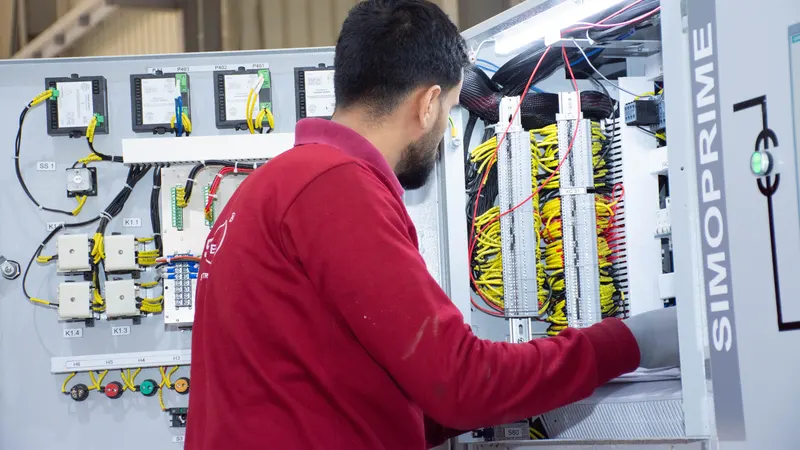
AIS vs GIS: Choosing Medium-Voltage Switchgear up to 24 kV
For 11 kV and 22 kV networks the choice is usually between air-insulated and gas-insulated switchgear. Here is how they differ, where each makes sense and which ratings to put in the specification.
 Switchboards
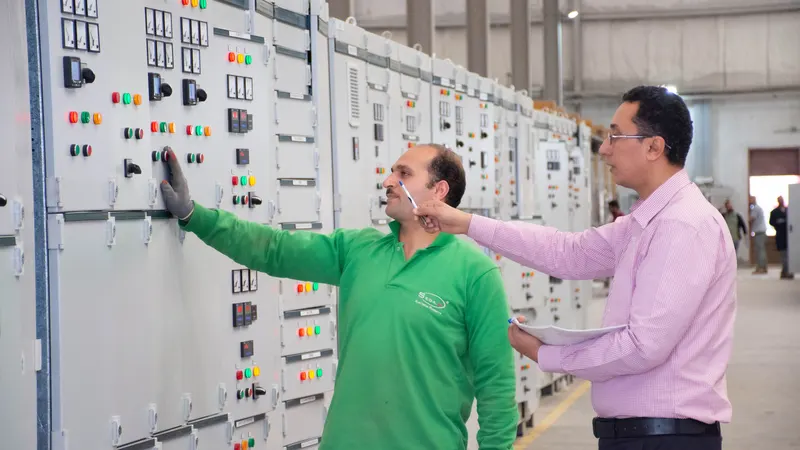
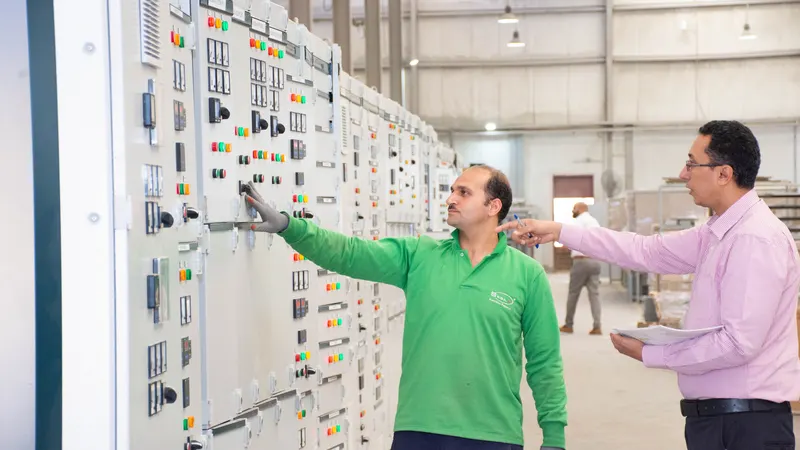
ATS Panels: How Automatic Generator Changeover Works
When the mains fails, the ATS panel decides when to start the generator, when to switch and when to come back. Here is how it works and what to write in the specification.
 Switchboards
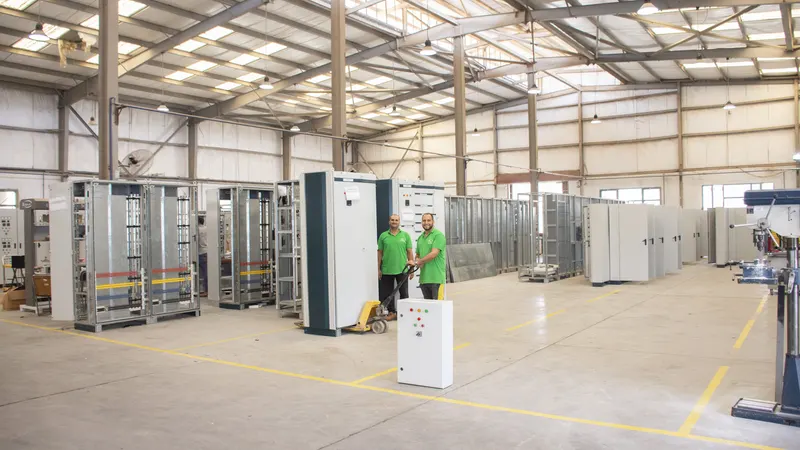
Switchboard Factory Acceptance Test (FAT): A Practical Checklist
A factory acceptance test is the last chance to find a problem while it is cheap to fix. Here is what to check, in what order, and which documents to leave with.
 Switchboards
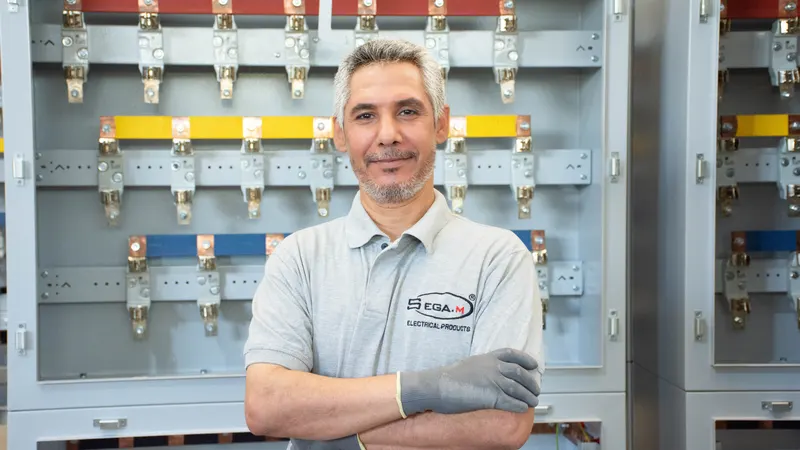
MDB, SMDB, DB and MCC: Distribution Boards Explained
MDB, SMDB, DB, MCC, ATS: the abbreviations on a single-line diagram describe a chain. Here is what each board does, what goes inside it and what to specify.
 Switchboards
 in Hot Climates: Derating at 45 °C and 50 °C
The current rating on a switchboard is tied to an ambient temperature. In a hot plant room in the Gulf or the Sahel, the same board carries less. Here is how to specify it so it does not overheat.
 Lighting
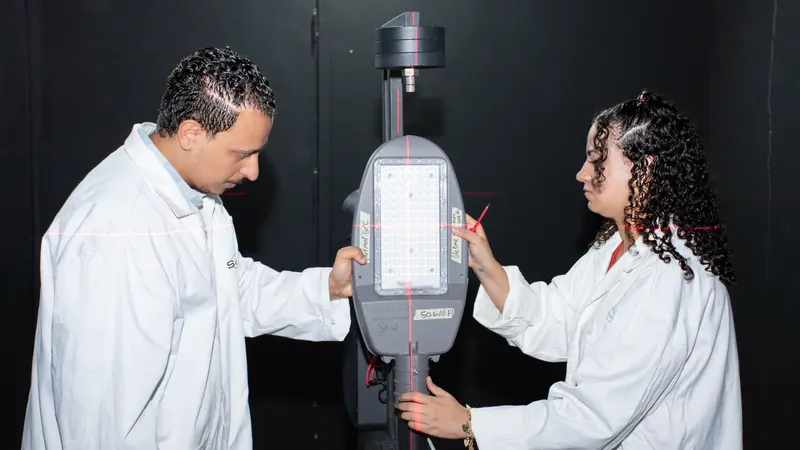
Street Lighting Design: Road Classes, Pole Height and Spacing
Pole spacing is not a rule of thumb, it is the result of a road class, a luminaire's light distribution and a calculation. Here is how the pieces fit together.
 Switchboards
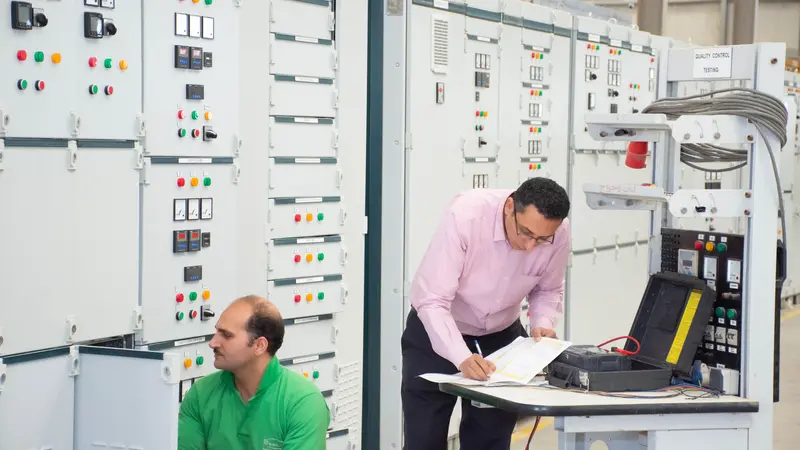
IEC 61439 Explained: What a Type-Tested Switchboard Really Means
"Type tested" is still the phrase on most tender specs, but IEC 61439 speaks of design verification and routine verification. Here is what each means and what to ask your panel builder for.
 Switchboards
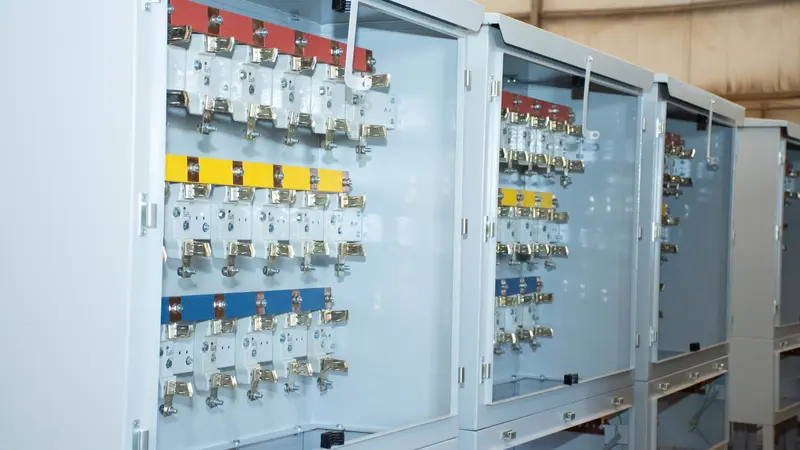
Forms of Separation 1 to 4b Explained (IEC 61439-2)
Form 4b on the drawing adds cost, size and heat to a switchboard. Here is what each form of separation really protects against, and how to choose the one your project needs.
 Enclosures & Testing
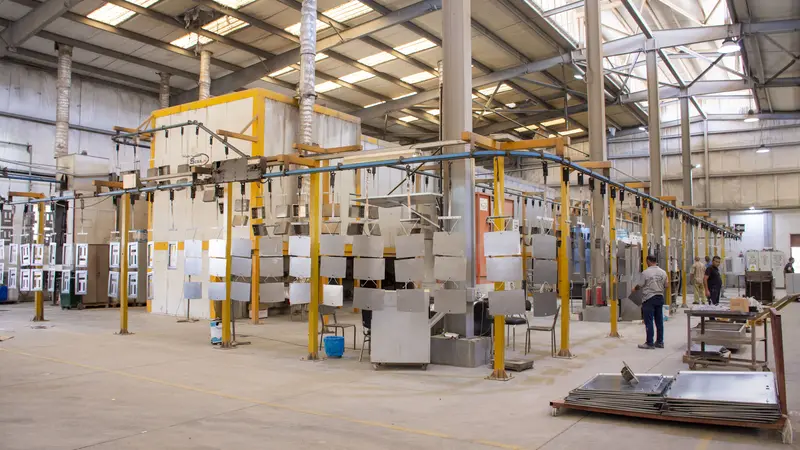
IP54, IP65, IP66, IP67: IP Ratings for Enclosures and Luminaires
An IP rating is two digits and a test behind each one. Here is what IP54, IP65, IP66 and IP67 really test, the mistakes buyers make, and how to choose for panels, enclosures and outdoor lighting.
 Lighting
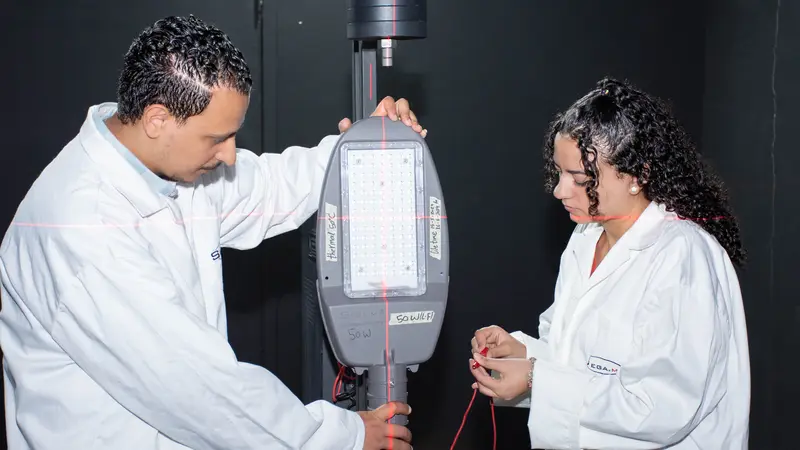
How to Choose an LED Street Light: A Buyer's Checklist
Comparing street lights by watts leads to bad projects. Here is the checklist our lighting engineers use: efficacy, optics, photometric files, CCT, IP and IK, surge protection and the documents to ask for.
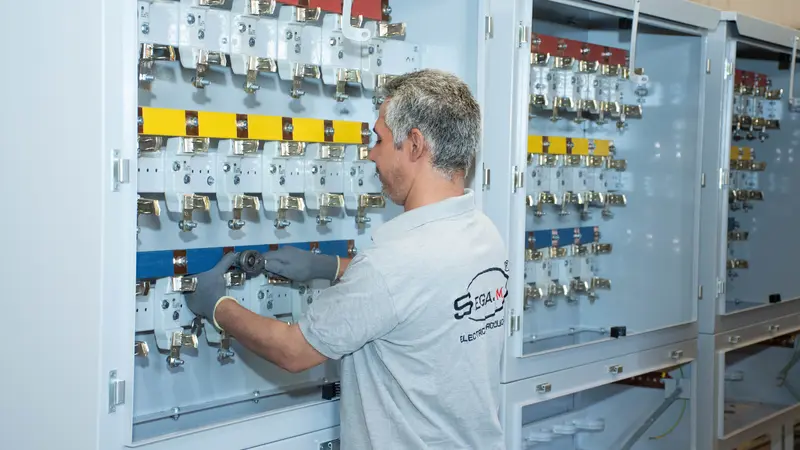 Buyer Guides
Switchboard RFQ Checklist: What to Send for a Fast, Accurate Quote
Most switchboard quotes are slow because the request is missing three or four facts. This checklist lists everything a panel builder needs, in the order engineers read it.
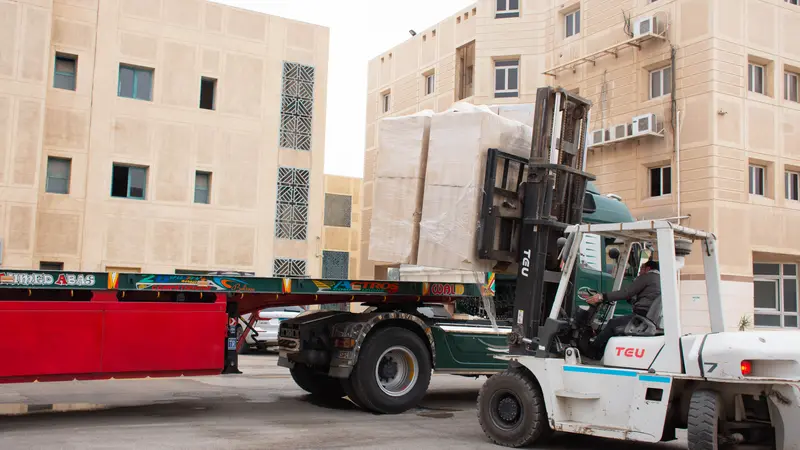 Export & Logistics
Importing Switchboards and LED Lighting from Egypt: An Importer's Guide
Egypt's trade agreements can cut or remove import duty on electrical products for buyers in Africa, the Arab world and Europe. Here is how it works, and the documents a shipment needs.
Have a project? Send us your SLD or BOQ.
Our engineers reply within 24 hours with a technical and commercial offer, for projects in Egypt and abroad.