In many markets the mains supply is not something a factory, hospital or residential tower can rely on alone. A standby generator covers the gap, and the automatic transfer switch (ATS) panel is what connects the two. It watches the mains, starts the generator, moves the load, and brings it back when the mains returns, without anyone touching a switch.
What an ATS panel does
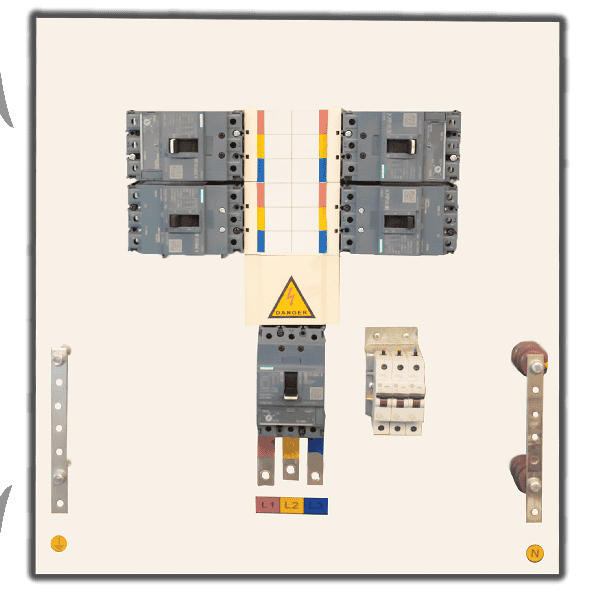
An ATS panel contains two switching devices, one for the mains and one for the generator, interlocked so that they can never both be closed (in the usual open-transition design), plus a controller that monitors both sources. A typical sequence is:
- The controller detects that the mains voltage or frequency is out of limits, or a phase is lost.
- After a short confirmation delay, it sends the start signal to the generator.
- When the generator voltage and frequency are stable, it opens the mains device and closes the generator device.
- When the mains has been healthy for a set time, it transfers back and lets the generator run on without load to cool down, then stops it.
Which switching devices
- Motorised circuit-breakers (ACB or MCCB) with mechanical and electrical interlocking: common in larger panels, and they also protect the cables.
- Contactors: used in smaller panels; protection then comes from separate breakers.
- Purpose-built transfer switches (transfer switching equipment to IEC 60947-6-1): one device with two positions and built-in interlocking.
Whatever the device, the interlock must be mechanical as well as electrical, so a control fault can never parallel mains and generator.
Open or closed transition
Open transition ("break before make") disconnects one source before connecting the other. The load sees a short interruption, usually a few hundred milliseconds when the generator is already running. This is the standard choice.
Closed transition ("make before break") briefly parallels the two sources so that retransfer happens without a blackout. It needs synchronising equipment and usually the utility's permission, and is used where even a short break is unacceptable, for example in hospitals or data centres, often combined with a UPS.
3-pole or 4-pole
A 4-pole changeover also switches the neutral. Whether you need it depends on the earthing arrangement of the mains and the generator. Switching the neutral avoids parallel neutral paths and nuisance tripping of earth-fault protection where the generator neutral is earthed separately. Decide it with the system designer, not by default.
Settings to agree
| Setting | Typical purpose |
|---|---|
| Mains failure confirmation delay | Ignore short dips before starting the generator |
| Generator warm-up / stabilisation | Wait for stable voltage and frequency before loading |
| Mains return delay | Make sure the mains is really back before retransfer |
| Cool-down time | Let the generator run unloaded before stopping |
| Voltage and frequency limits | Define what counts as a healthy source |
| Test and manual modes | Allow periodic testing and manual operation |
What to put in the specification
- Rated current of each source and of the load, and the short-circuit level
- Switching devices (breakers, contactors or transfer switch) and 3-pole or 4-pole
- Open or closed transition
- Controller functions: monitoring, timers, generator start signal, alarms, remote signals to the building management system
- Whether all loads are transferred, or only essential loads on a separate busbar (an emergency sub-main board)
- Enclosure, IP rating and installation location
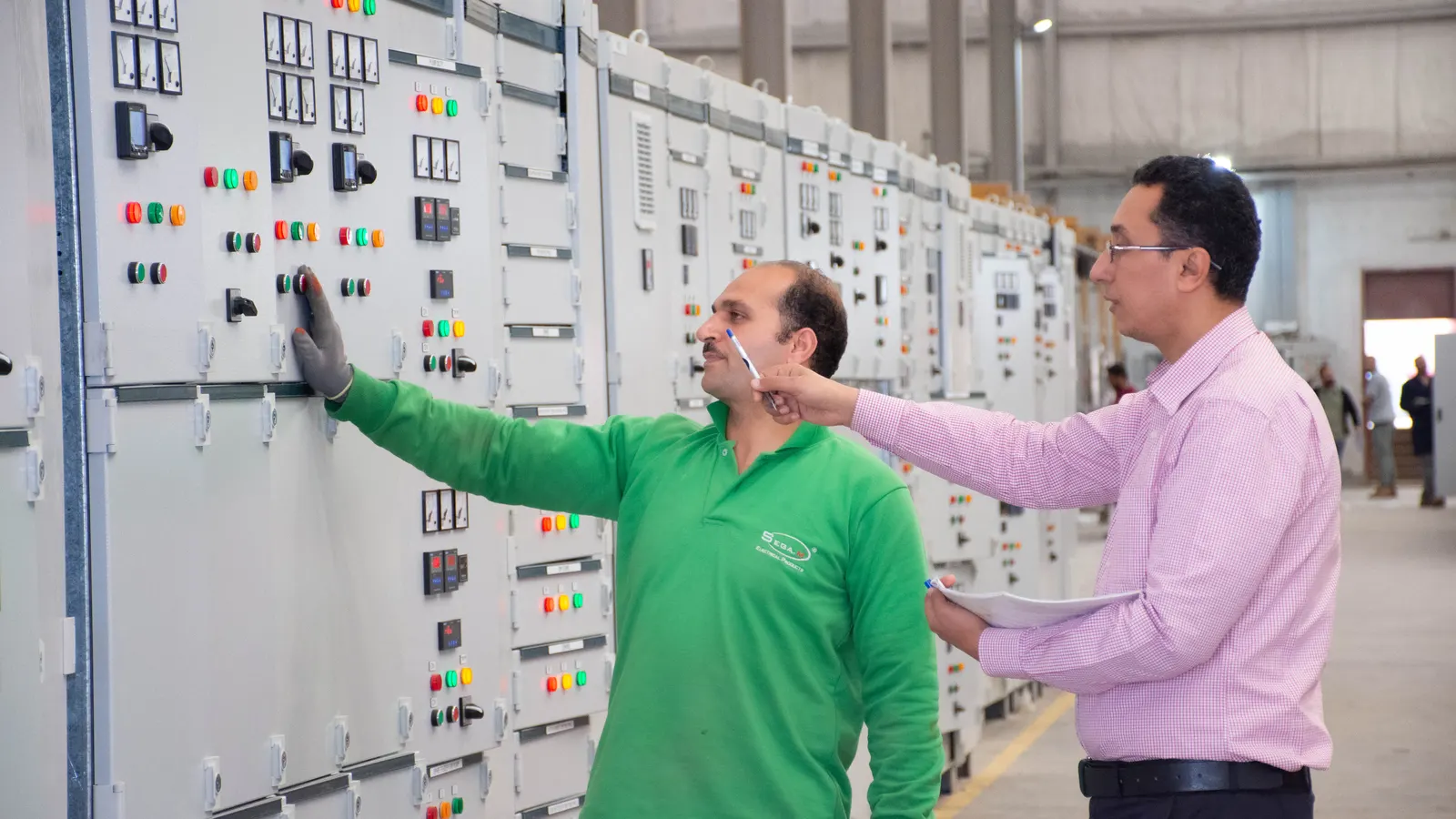
Our guide to MDB, SMDB, DB and MCC boards shows where the ATS panel sits in the distribution chain, and our FAT checklist lists the changeover sequences to test before shipment.
ATS panels from SEGA M
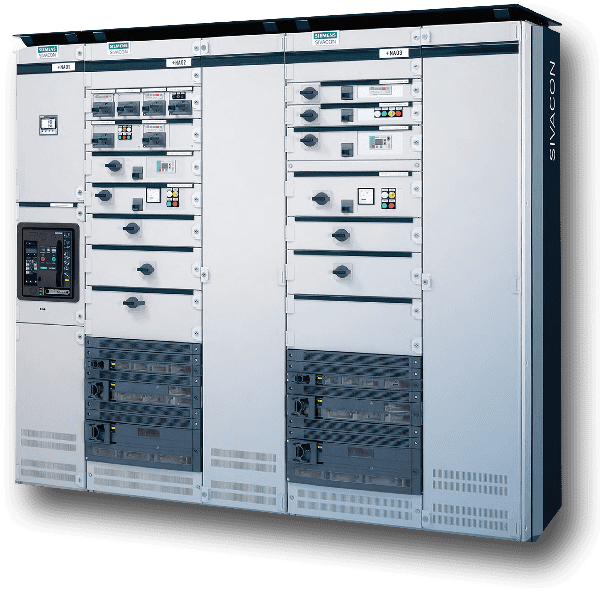
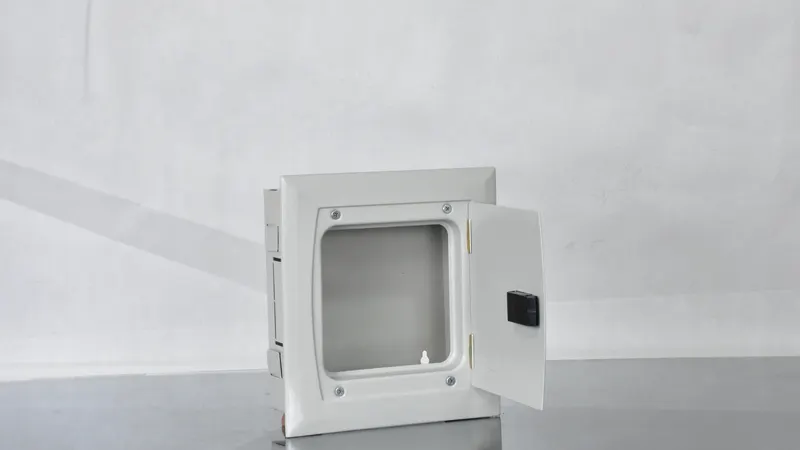
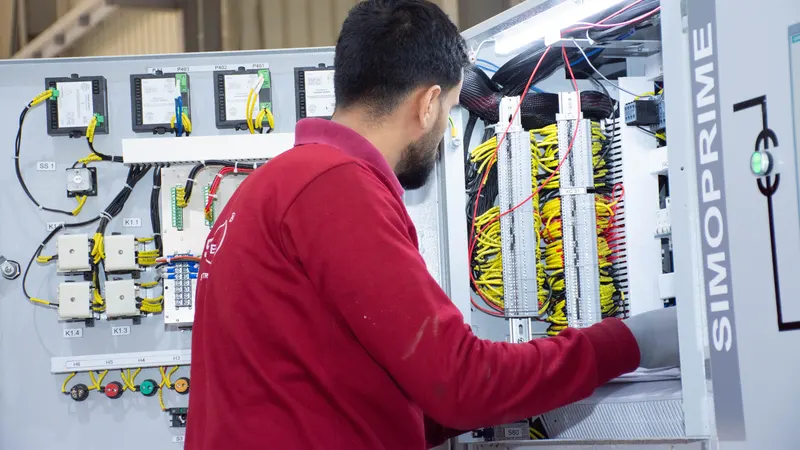
SEGA M builds ATS and changeover boards in its factory in 10th of Ramadan City, Egypt, from small wall-mounted units to main changeover boards. Our SG-1 switchgear covers ATS, MDB, MCC and power factor correction boards up to 4,000 A at IP54, and SIVACON S8, built by SEGA M as a Siemens Advanced Partner, covers main distribution up to 7,010 A. Every changeover sequence is tested at the factory before the board ships.
Send us the single-line diagram, the generator rating and the loads to be backed up, and our engineers will propose the panel.
Frequently asked questions
What does ATS stand for?
Automatic transfer switch. An ATS panel moves a load between the mains and a standby generator automatically.
How long is the interruption with an open-transition ATS?
Once the generator is running and stable, the transfer itself takes a fraction of a second. The total outage after a mains failure also includes the generator start-up time, typically several seconds.
Do I need a 4-pole ATS?
It depends on the earthing arrangement of the mains and the generator. Where the generator neutral is earthed separately, switching the neutral is usually required.
Can mains and generator ever be connected together?
Not in an open-transition panel: mechanical and electrical interlocks prevent both devices closing. Closed-transition panels parallel them briefly under synchronised control, and usually need the utility's approval.