Egypt sits between Africa, the Arab world and Europe, and its trade agreements reach all three. For an importer, that can mean lower or zero customs duty on switchboards, enclosures and LED lighting made in Egypt, provided the paperwork is right. This guide explains the agreements that matter, the documents a shipment needs and the questions to settle before you order. It is general guidance: always confirm duty rates and rules with your customs broker.
Trade agreements that can reduce your duty
| Agreement | Where it applies | Proof of origin |
|---|---|---|
| COMESA Free Trade Area | COMESA member states in Eastern and Southern Africa | COMESA certificate of origin |
| African Continental Free Trade Area (AfCFTA) | African countries trading under AfCFTA rules | AfCFTA certificate of origin |
| Greater Arab Free Trade Area (GAFTA) | Arab League member states | Arab certificate of origin |
| Agadir Agreement | Egypt, Jordan, Morocco and Tunisia, plus later members | Agadir certificate of origin |
| EU–Egypt Association Agreement | European Union | EUR.1 movement certificate or origin declaration |
Each agreement has rules of origin: the goods must be made, or sufficiently processed, in Egypt. Switchboards, enclosures and luminaires manufactured in our factory are produced in Egypt, and we arrange the certificate of origin that fits your country through the issuing authorities.
Documents a shipment needs
- Commercial invoice, with HS codes, Incoterm and values
- Packing list, with the content, weight and size of each crate or pallet
- Certificate of origin for the right agreement (see above)
- Bill of lading (sea), airway bill (air) or CMR (road)
- Test reports or certificates where your project or your customs require them
- Conformity certificate where your country runs a pre-shipment programme
Pre-shipment conformity programmes
Several importing countries check products before they ship. Examples are SONCAP in Nigeria and the PVoC programmes in Kenya and Uganda, and Iraq runs its own certificate of conformity programme. Under these schemes an approved inspection company checks the documents, and sometimes the goods, before loading. Tell your supplier about the programme when you order: inspection must be booked before the goods leave the factory, not after they reach the port.
Utilities and ministries may also keep their own approved-supplier lists. SEGA M, for example, is a registered supplier of GECOL in Libya, and our Pacific 150 W street light is homologated by CIE in Côte d'Ivoire.
Choosing an Incoterm
| Incoterm | Seller delivers to | Good for |
|---|---|---|
| EXW | Seller's factory | Buyers with their own forwarder in Egypt |
| FCA / FOB | Forwarder, or on board at the Egyptian port | Buyers who book their own sea freight |
| CFR / CIF | Destination port, freight paid (CIF adds insurance) | Buyers who want one price to their port |
| DAP | Named place in the buyer's country, duty not paid | Inland projects |
SEGA M's factory is in 10th of Ramadan City, between Cairo and the Suez Canal, with Egypt's main ports within reach: Ain Sokhna on the Red Sea, and Port Said, Damietta and Alexandria on the Mediterranean. When we quote freight, we quote to a port we select and re-quote to another port on request.
Packing for long journeys
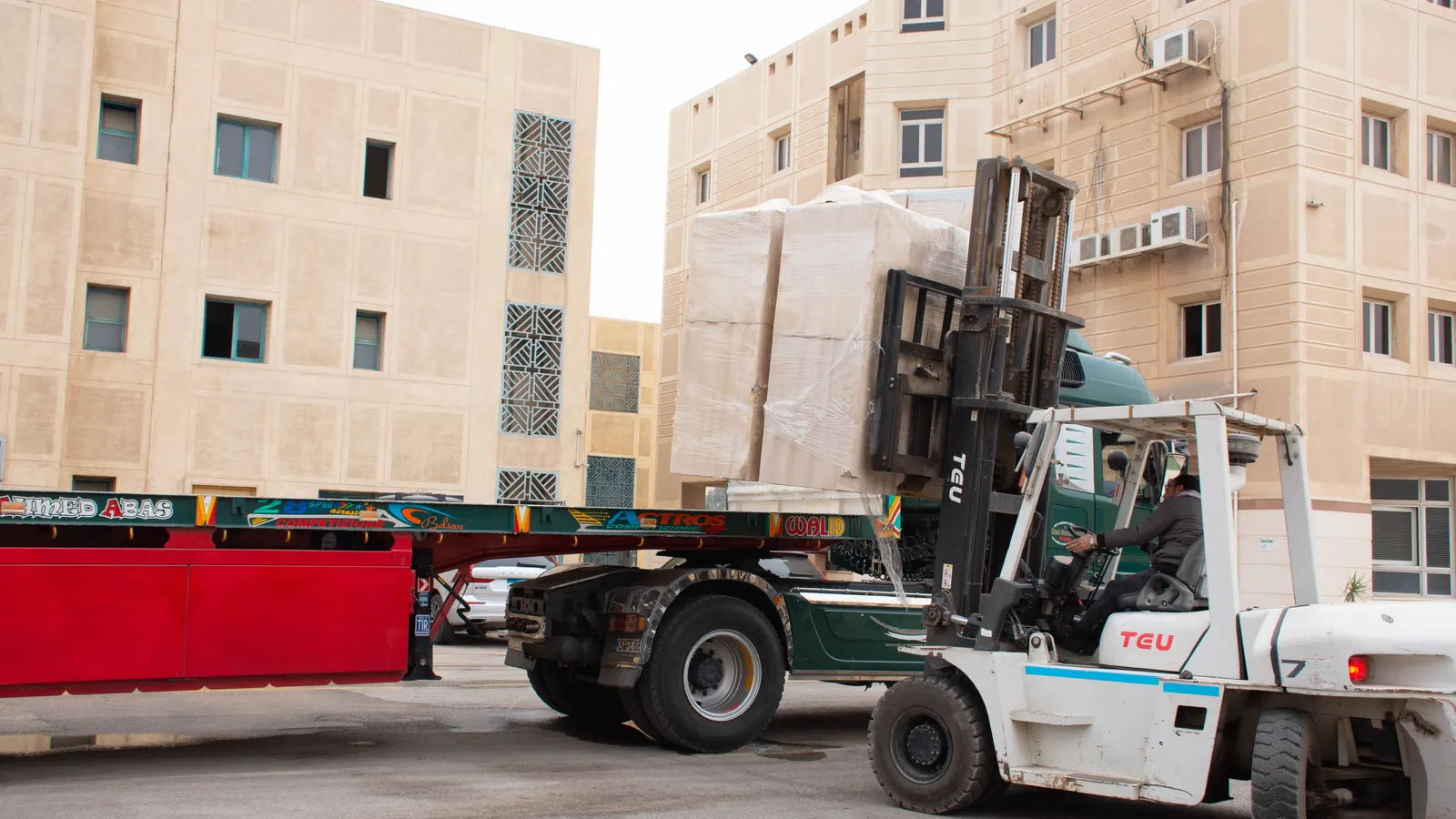
Switchboards and luminaires travel for weeks, often through hot and humid ports. Agree the packing in advance:
- Switchboard sections in wooden crates or on pallets, with moisture protection inside
- Withdrawable breakers and loose parts packed and labelled separately
- Lifting points and centre of gravity marked on heavy crates
- Luminaires in cartons on pallets, stacked within the carton limit
Open and inspect on arrival, before the forwarder leaves, and photograph any damage.
Before you place the order
- Confirm the HS codes and duty rates with your broker, and which certificate of origin gives the best rate.
- Check whether a pre-shipment conformity programme applies.
- Agree the Incoterm and the delivery port or place.
- List the test reports and approvals your project needs.
- Agree packing and marking.
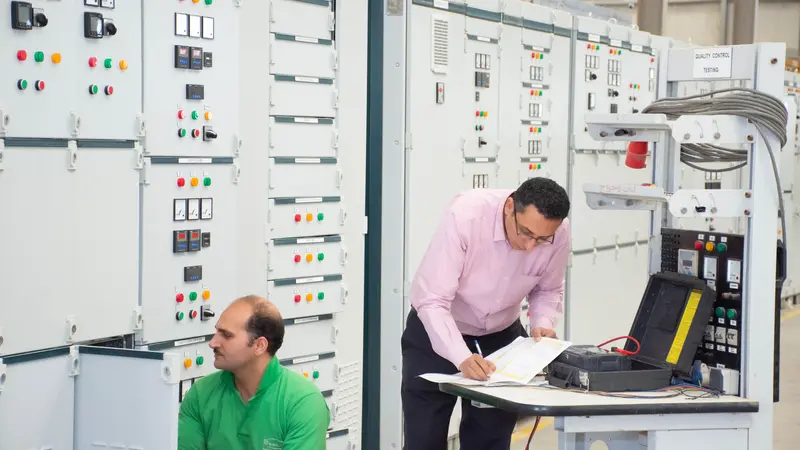
- Decide whether you will attend the factory acceptance test.
Exporting with SEGA M
SEGA M Electrical Products has manufactured in Egypt since 2004 and has shipped switchboards, enclosures and lighting to customers in Libya, Iraq, Nigeria, Ghana, Côte d'Ivoire, Uganda and Rwanda. Our export team prepares the documents above and works with your forwarder or ours. Read more on our export page, or send your BOQ through the contact form.
Frequently asked questions
Do I pay import duty on electrical products from Egypt?
It depends on your country and the agreement that applies. Under COMESA, GAFTA, Agadir, AfCFTA or the EU–Egypt agreement, duty can be reduced or removed with the right certificate of origin. Your customs broker can confirm the rate.
Which certificate of origin do I need?
The one for the agreement between Egypt and your country, for example COMESA, Arab (GAFTA) or EUR.1 for the EU. SEGA M arranges the certificate that fits your shipment.
Which Egyptian port does SEGA M ship from?
The factory in 10th of Ramadan City is within reach of Ain Sokhna, Port Said, Damietta and Alexandria. We quote freight to a port we select and re-quote to another on request.
Can SEGA M handle pre-shipment inspection?
Yes. Tell us the programme when you order, and we arrange the inspection before loading.